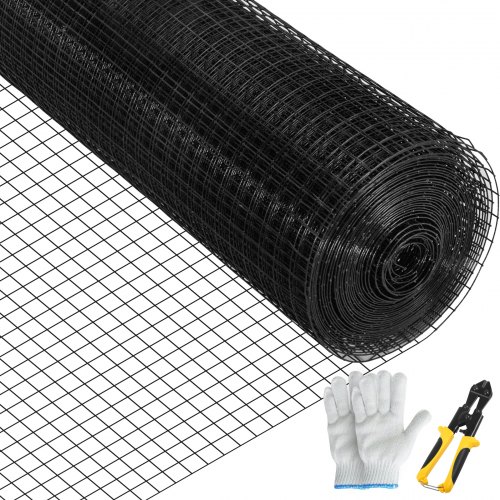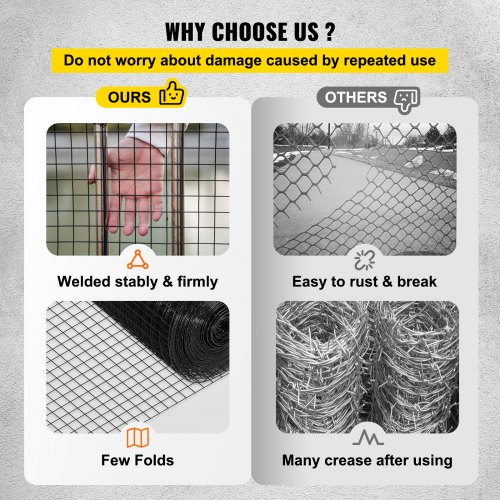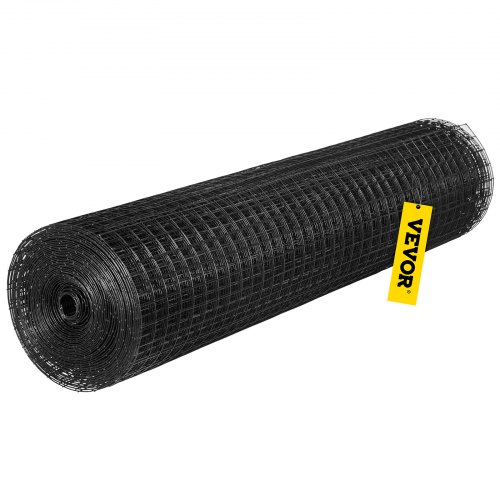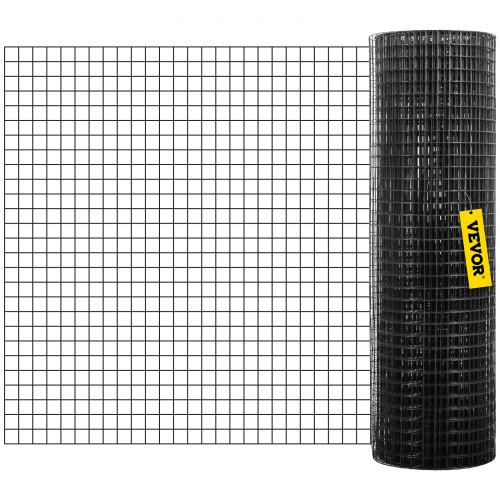


VEVOR offers a wide variety of mesh hardware cloth options to meet the needs of household, agricultural, and business fencing, enclosures, and protection. Precision-welded construction and finishes that don't rust ensure our mesh hardware cloth goods remain strong and stable for a long time. Whether you need welded wire fencing to protect your garden, keep animals in, or set the boundaries of your property, VEVOR mesh hardware cloth delivers professional-grade performance, a range of sizes, and consistent quality at prices hard to beat
Are you looking for a way to create a strong fence without blocking views or airflow? Mesh hardware cloth is a reliable choice for people who need to contain, protect, and support structures in a variety of settings. Supports a wide range of uses, from yard fencing and pest control to animal enclosures and utility barriers. It comes in welded wire mesh fence designs and galvanized welded wire fence finishes.
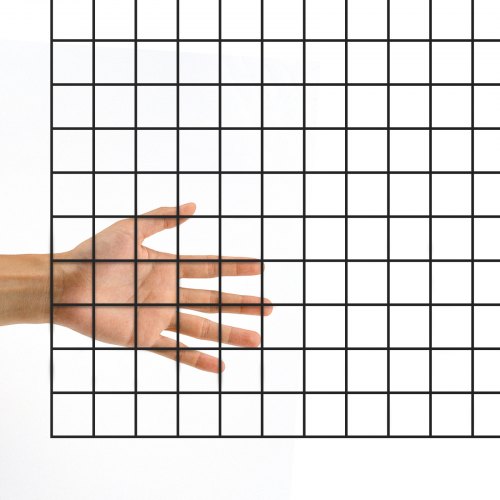
The most important thing to look at when choosing mesh hardware cloth is the mesh hole size, which tells you exactly what can and can't go through. Small animals, like rats, mice, squirrels, and rabbits, can get through gaps that look deceptively small. Tight-grid hardware cloth is the only thing that will reliably stop them. People usually choose these sizes to protect flower beds, cover foundation vents, and line the bottoms of chicken coops in areas with many predators.
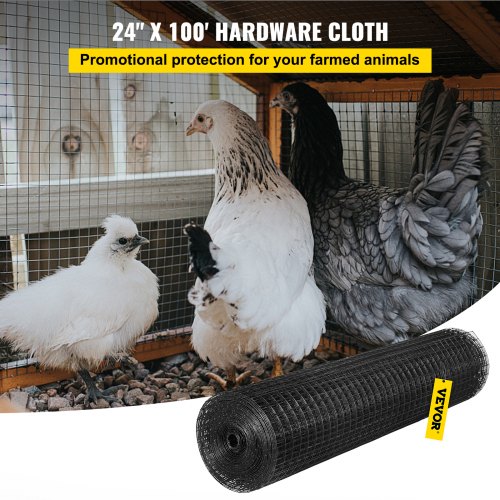
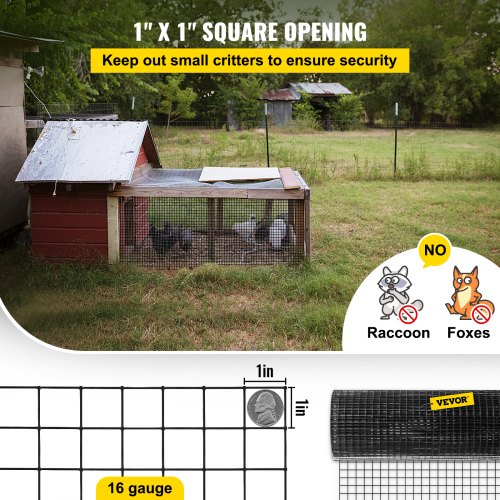
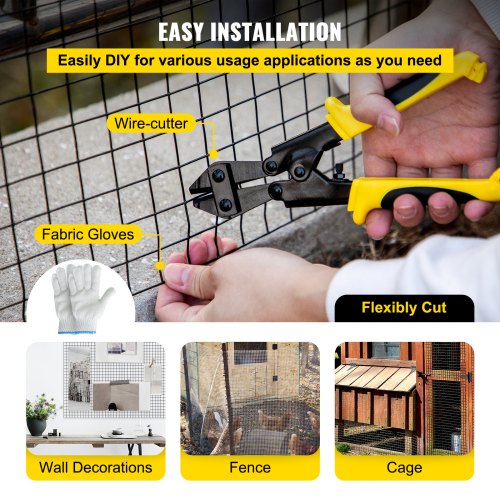
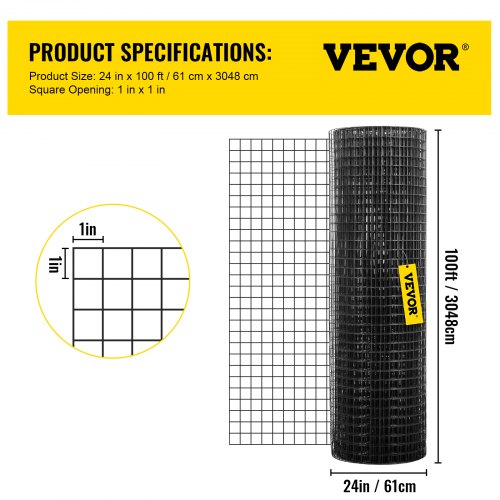
Poultry runs, rabbit hutches, and other livestock enclosures with bigger animals and airflow, as well as containment, need medium openings that are 1" in size. This size is one of the most popular configurations used on farms and homesteads because it strikes a good balance between visibility, air flow, and structural rigidity. The bigger grid also makes it easier to cut and shape the 1" mesh hardware cloth around oddly shaped posts and corners while it is in place.
For perimeter fence, garden trellising, and deer barriers where marking boundaries and keeping animals away is more important than small-gap exclusion, 2" openings work best. For welded wire fencing along property lines and around bigger garden areas, where structure is more important than fine containment, these configurations work well. Putting 2" mesh along the fence runs and 1/4" or 1/2" mesh at ground level works to keep animals away in one placement.
Consider the entire span of the application when choosing the mesh opening size for any mesh hardware cloth project. Ducks or rabbits could move into a chicken run tomorrow. If you choose a smaller mesh opening from the start, you won't have to replace the fence when the animals or uses change.
The wire gauge and surface treatment of mesh hardware cloth decide how long it will last when left outside all the time. Both of these details are just as important as the opening size. In spite of what you might think, smaller gauge numbers mean thicker wire. A 14-gauge welded wire mesh fence can withstand heavy loads from animals leaning against it, tools resting against panels, and soil contacting the base of the fence without permanently deforming.
Hardware cloth in 19-gauge and 20-gauge is good for lighter uses like yard pest barriers, cold frames, and small animal enclosures where pressure loads are low, and flexibility is more important than stiffness. It's easier to cut these lighter gauges with regular tin snips, and they're great for do-it-yourself projects that require precise shaping around raised beds, garbage bins, and window wells.
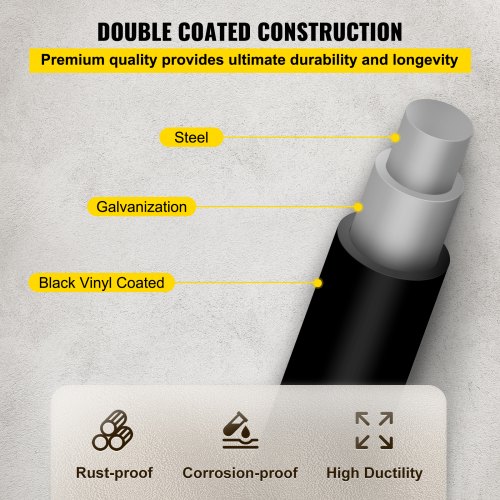
When you galvanize a welded wire fence, you add a zinc coating that protects the steel wire from rusting in outdoor conditions. After-weld galvanization applies a zinc coating after the welding process, covering more areas, even at weld joints where uncoated wire is most likely to start rusting. This finish is best for mesh hardware cloth to be installed in areas with wet soil, ground contact, watered garden areas, and coastal areas with high humidity.
PVC-coated options over galvanized cores add an extra layer of protection, making the fence last longer and look better in yard and landscape settings. The coating keeps the wire from wearing down against posts and nails, and it looks better after years of being outside than bare galvanized finishes.
Choosing the right height for mesh hardware cloth fencing depends on what you want to keep out and what you want to keep in, as well as how the fence fits with the rest of the building. A 4 foot welded wire fence is the standard for yard edges, raised bed edges, and small animal enclosures where the animals don't want to jump. It's the easiest height to place by yourself, and it looks great in garden areas that people can see, where both function and style are important.
5 ft welded wire fencing can keep in medium-sized dogs, larger poultry breeds, and goats that can't get through a shorter fence. This height is also good for marking property lines where a noticeable but not too heavy barrier is needed. It's tall enough to be read as a fence line without giving the impression of a full 6-foot installation. In rural areas with a mix of uses and a wide range of animals, 5 feet of fence is often the best all-around height.
A welded wire fence that is 6 feet high can withstand the toughest containment and exclusion challenges, such as keeping deer out of vegetable gardens, big dog runs, and secure livestock perimeters where animals have the drive and strength to break through shorter fencing. Deer can get through 5 ft. fences to get to food, so 6 ft. is the safest minimum to keep deer out of high-value garden plants in places where deer are common.
When choosing the height for a larger mesh hardware cloth installation, you might want to consider combining heights in a smart way. For example, a 6 ft galvanized welded wire fence around the garden perimeter and 4 ft welded wire fencing separating the different sections inside saves money on the cost of the interior divisions while still creating a secure perimeter.
The total cost of installation, the amount of waste, and the project planning are all affected by the length of the mesh hardware cloth roll. A standard roll is between 25 and 100 feet long. Longer rolls make it easier to run continuous fence runs with fewer gaps and less overlap, and to fasten hardware at the joins. Using rolls that are the right width for the fence height, for example, 4 feet wide mesh hardware cloth for a 4 foot welded wire fence or 6 feet wide rolls for a 6-foot welded wire fence, makes cutting easier, cuts down on waste, and makes the end product cleaner with fewer attachment points needed along the run.
VEVOR has a wide range of mesh hardware cloth options that are strong, flexible, and affordable. VEVOR can handle jobs of all sizes and offers welded wire mesh fence designs in various heights, including 4 ft, 5 ft, and 6 ft. VEVOR makes it easy to find the right mesh hardware cloth for your needs by offering a range of affordable prices, high-quality products, and helpful customer service after the sale. Look through the product listings right now and choose a fencing option that will last and give you peace of mind.